Definitive Diagnosis & Gold-Standard Assessment
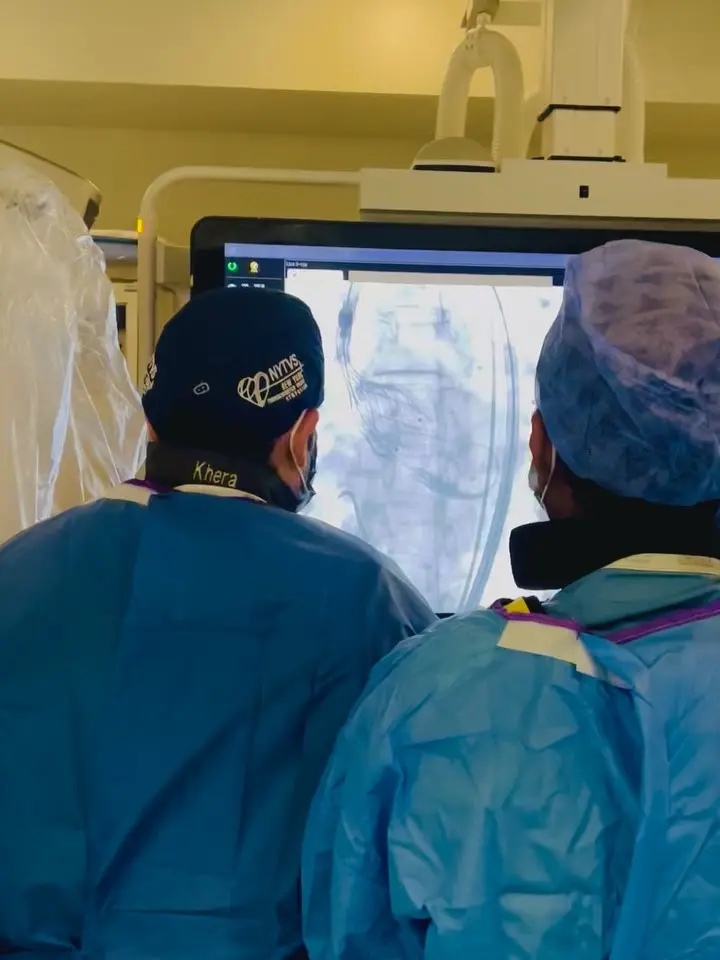
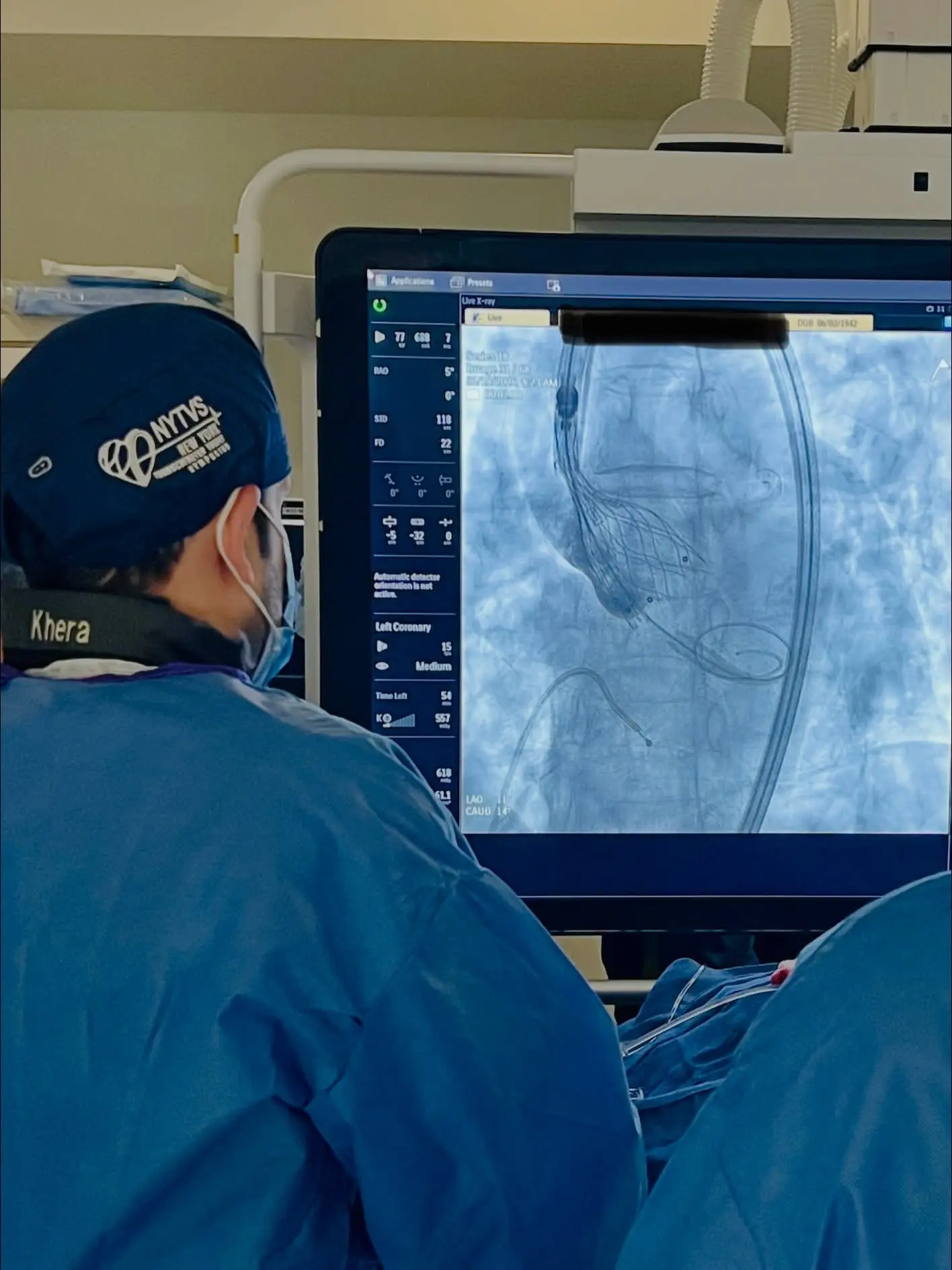
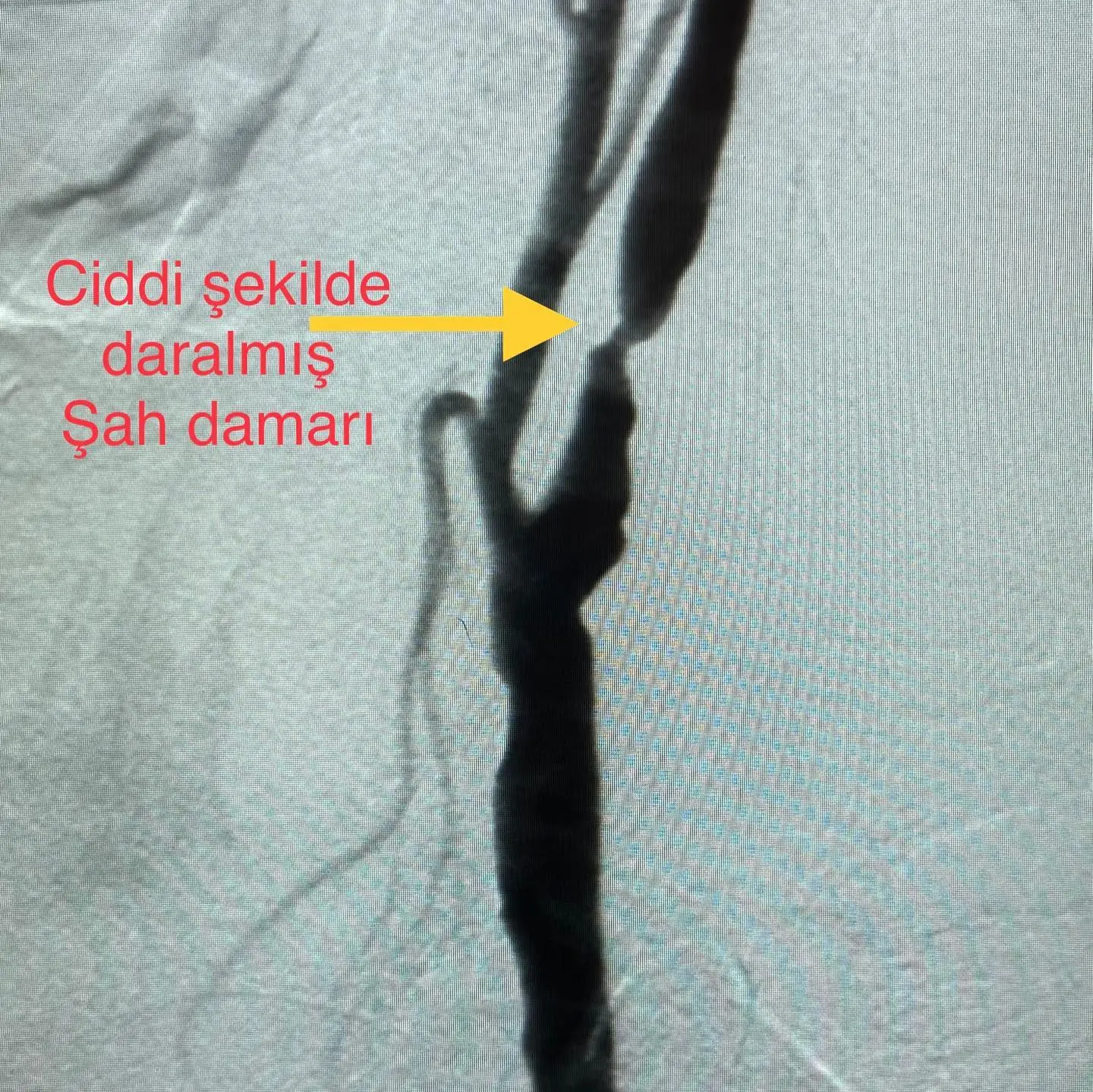
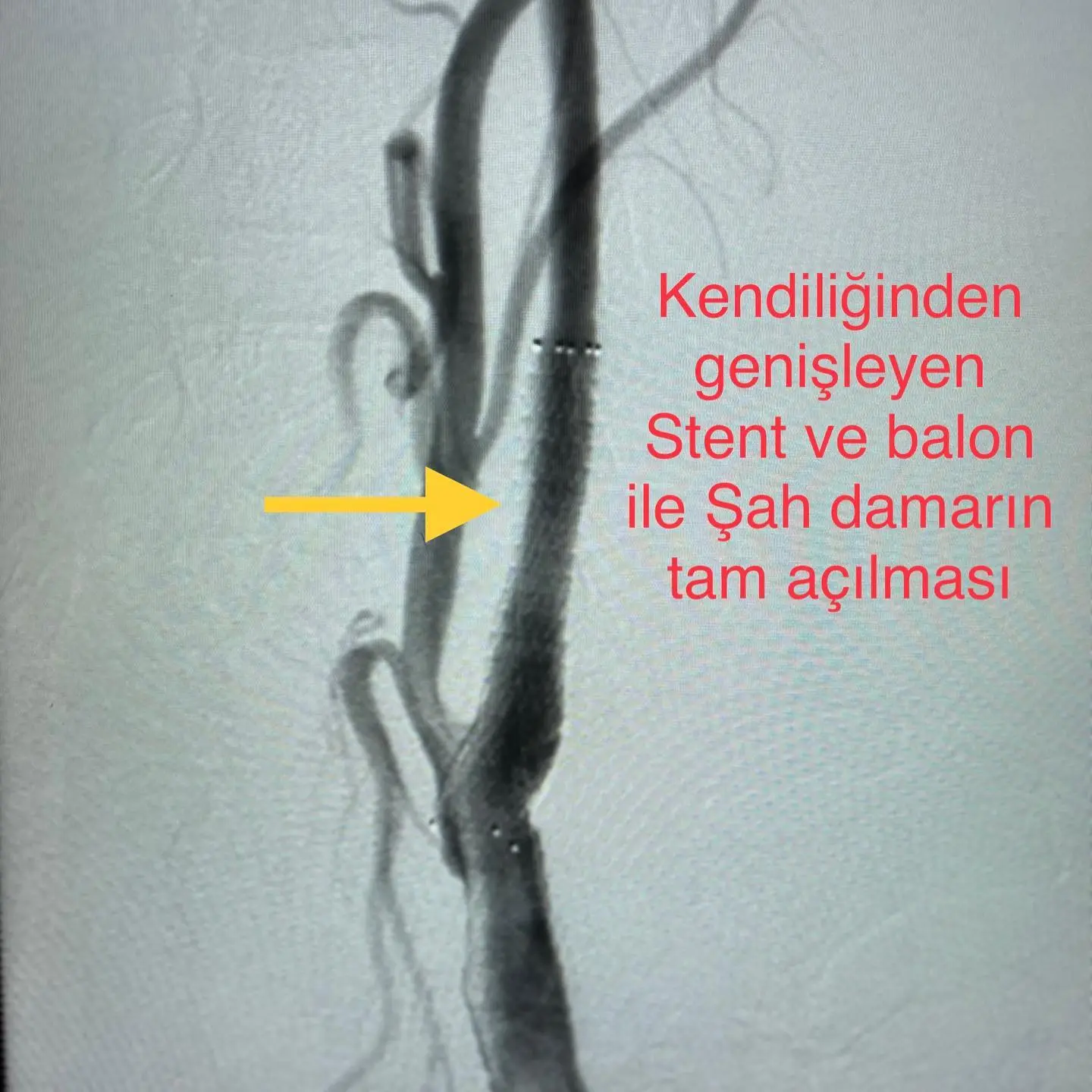
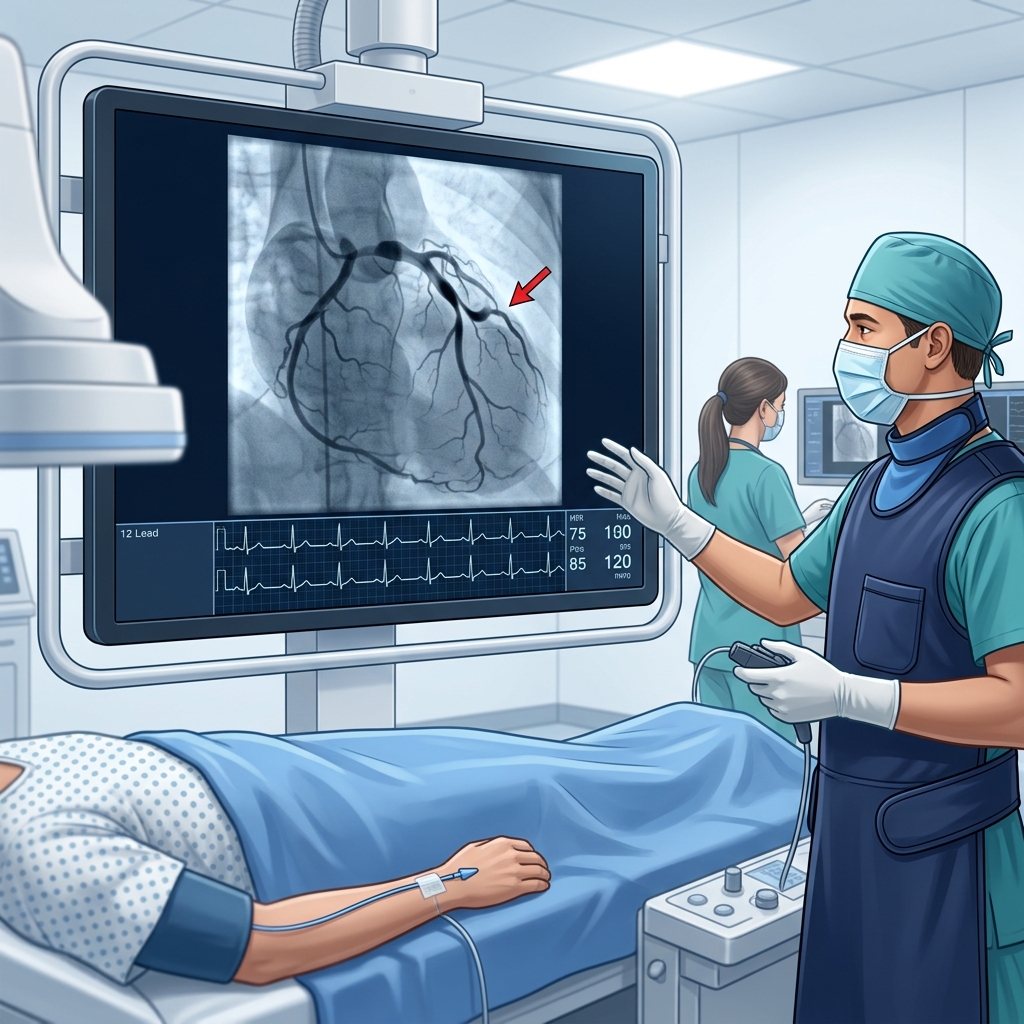
Coronary angiography is a diagnostic method in which the coronary arteries are imaged using a special contrast agent. Through a thin catheter advanced via the wrist or leg artery, the heart vessels are reached and evaluated.
This method is the gold standard diagnostic technique used to evaluate narrowing and blockages in the coronary arteries that supply the heart. Guided by contrast dye and X-rays, detailed images of the vessels are captured to determine the most suitable treatment path.
Indications for Angiography
- Patients experiencing chest tightness, burning, or pain radiating to the left arm.
- Those with suspicious vascular narrowing findings on a stress test, ECG, echocardiography, or virtual CT angiography.
- Patients presenting with an ongoing heart attack or who have a recent history of cardiac events.
Angiography Application Steps
-
01
Step 1
Access Point Numbing
The wrist (radial) artery is preferred for patient comfort. Local anesthetic is applied to numb the area, and a thin plastic sheath is introduced into the artery.
-
02
Step 2
Arterial Imaging
Catheters are guided through the sheath to the coronary openings. Contrast dye is injected, and video X-rays (angiograms) are recorded to locate narrowings.
-
03
Step 3
Sheath Removal & Discharge
Once complete, the sheath is removed. A compression band is secured around the wrist for hemostasis. The patient can usually be discharged to go home after 2-4 hours of rest.
Wrist Angiography (Radial Angiography)
Wrist angiography is a highly safe and comfortable coronary angiography method performed by accessing the cardiac vessels through the radial artery in the wrist. It maximizes patient comfort compared to the traditional groin approach.
Wrist vs. Groin (Femoral) Angiography
While the traditional groin approach carries higher risks of complications such as bleeding, swelling, vascular ballooning (pseudoaneurysm), or vessel damage, these risks are minimal in wrist angiography (less than 1 in 1000). Furthermore, while groin angiography requires patients to lie flat with heavy sandbags on their groin for hours, radial angiography eliminates sandbags and allows patients to walk immediately.
What are the Advantages?
- Immediate Mobilization: Immediately after the procedure, you can walk to your bed, sit up to eat, and go to the bathroom independently.
- No Sandbags Required: Instead of heavy sandbags that force you to lie flat and motionless, a small wrist band is used.
- Discharge in 1-2 Hours: Unless your physician advises otherwise, you can be discharged within 1 to 2 hours to return to your daily routine.
Who is it Suitable For?
Wrist angiography can be successfully performed in almost all patients who have healthy circulation in both wrist arteries. It is particularly ideal for patients with groin blockages, overweight (obese) individuals, and those who struggle to lie flat for long periods due to spine or hernia conditions.
Post-Procedure Care
For the first 24 to 48 hours following the procedure, avoid lifting heavy loads or straining the accessed wrist. Drinking plenty of water to eliminate the contrast dye and keeping the wound clean and dry will ensure rapid healing.
For More Details: Radial Angiography Patient GuideKey Benefits of Angiography
Academic Supervision, Modern Care
- Years of clinical practice and thousands of successful angiograms and stent placements at Gazi University.
- Technical mastery in wrist (radial) angiography and stenting, emphasizing patient comfort and safety.
- Advanced interventional skills in complex coronary calcifications (rotational atherectomy / rotablator).
- An ethical, transparent approach adhering strictly to clinical guidelines, avoiding unnecessary stenting.
FAQ About Angiography
No, the angiography procedure is performed under local anesthesia (numbing only the entry site). You are awake during the procedure and do not feel pain.
After a simple diagnostic angiography, you are usually discharged on the same day. You can return to light daily activities within 1-2 days after the procedure.
The radial approach significantly reduces the risk of bleeding compared to the groin approach, eliminates the need for laying flat with a sandbag, and allows the patient to walk within 1-2 hours after the procedure.