
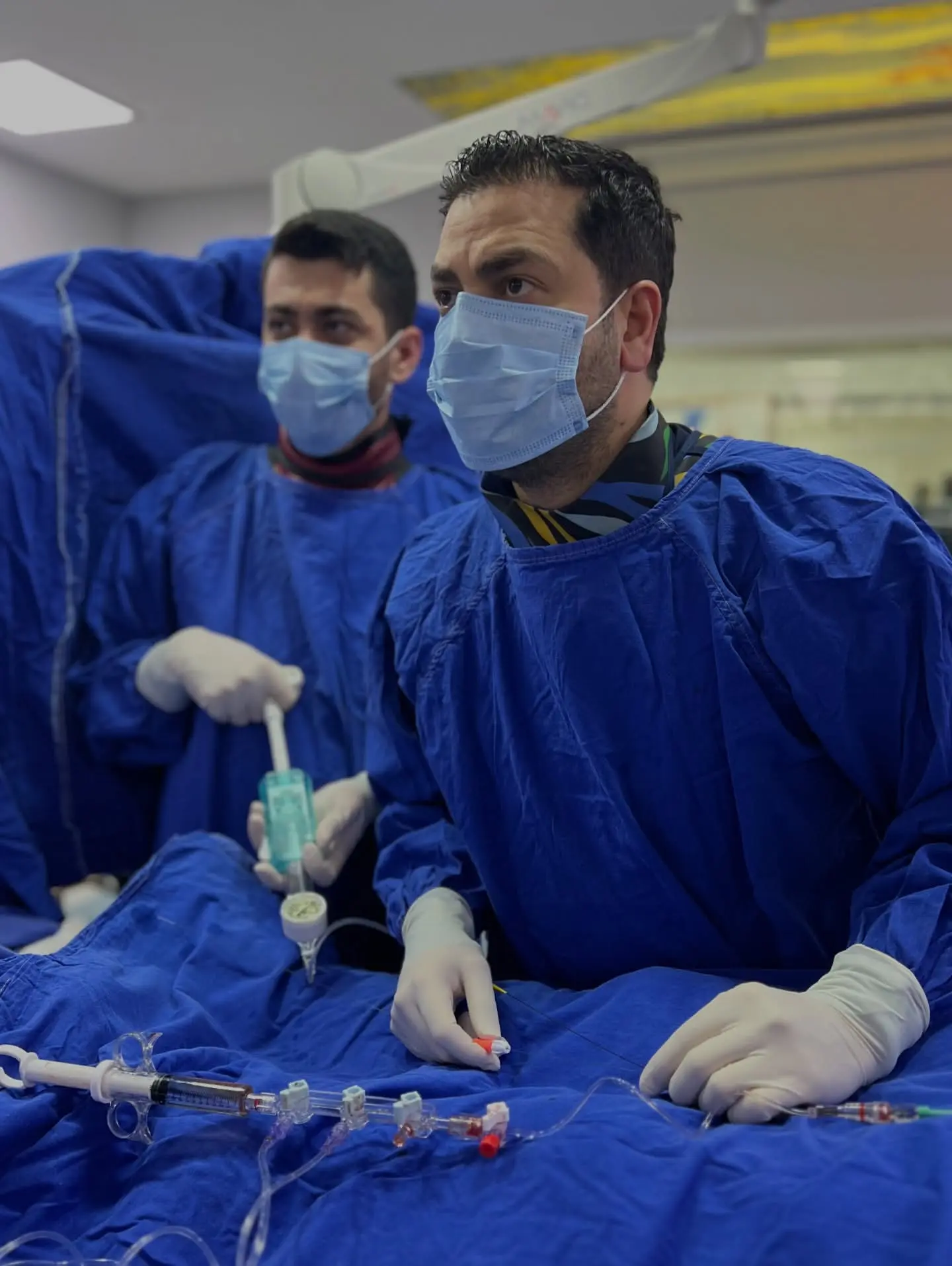
Radial angiography (wrist angiography) is a modern interventional procedure used to diagnose and treat coronary artery diseases (balloon and stent applications) that elevates patient comfort to the highest level. While femoral (groin) angiography has been traditionally popular due to its simpler training path, radial artery access is now the gold standard in experienced clinics owing to its superior safety profile and zero-recovery downtime.
Quick Summary: Radial Angiography
Prof. Dr. M. Kadri Akboğa\'s Key InsightsRADIAL BENEFITS ✅
- ✓ Sutureless, no heavy sandbags required
- ✓ Patient discharged 1 hour post-op
- ✓ Walk immediately after the procedure
- ✓ Extremely low access site complications
- ✓ Safe for patients with hernia or high weight
SUITABILITY 🔍
- • Utilizes the radial artery in the wrist
- • Access through the pulse point atar damar
- • Ideal if groin vessels are calcified/blocked
- • Provides massive comfort for overweight patients
- • Excellent for patients with lumbar disc hernias
1. What is Radial Angiography from the Wrist?
Radial angiography is an imaging method where the physician inserts catheters through the radial artery in the wrist to evaluate the coronary arteries feeding the heart muscle. It uses the same catheters, imaging monitors, and contrast fluids as the groin method, but accessing from the wrist dramatically increases safety and reduces discomfort since the radial artery sits directly over bones, making compression and bleed control very straightforward.
2. Angiography: Wrist (Radial) or Groin (Femoral)?
Femoral access is a historically popular approach due to simpler physician training. However, it is associated with a higher risk of access-site complications such as massive hematomas, retroperitoneal bleeding, pseudoaneurysms, and arteriovenous fistulas, especially in obese patients, which require flat bed rest for up to 6 hours with uncomfortable sandbags placed over the groin.
In contrast, complications in wrist (radial) angiography are extremely rare (less than 0.1%). It does not require flat bed rest, and the pressure band is simple to apply and adjust, meaning patients can sit up, eat, and use the restroom immediately after leaving the lab.
3. Advantages of Radial Angiography
- 📍 Immediate Mobilization: Patients can walk, sit, eat, and use the restroom right after the procedure is finished.
- 📍 No Sandbags: Pressure is applied via a small plastic wristband, eliminating the flat-rest requirements.
- 📍 Fast Discharge: If the findings do not dictate emergency interventions, patients can go home 1-2 hours after the procedure.
- 📍 Back and Joint Comfort: Essential for elderly individuals or those suffering from lumbar disc herniation who cannot tolerate long flat lying.
4. Is Radial Angiography Safe?
Yes. Under experienced operator hands, radial angiography achieves high success rates with much lower overall complication rates. The major factor determining the safety and speed of the procedure is the operator's experience with radial access.
5. Post-Procedure Care: What to Do After Radial Angiography
- • Avoid heavy lifting (such as carrying heavy grocery bags or luggage) with the treated arm for the first 24-48 hours.
- • Drink plenty of fluids to help flush the contrast agent out of your body via the kidneys.
- • Keep the wrist wound dry and clean; the band can be safely removed the next day.
Detail Information & Appointment
You can contact us to get detailed information about this topic or to schedule an appointment.