Interventional Opening of Leg and Arm Vessels
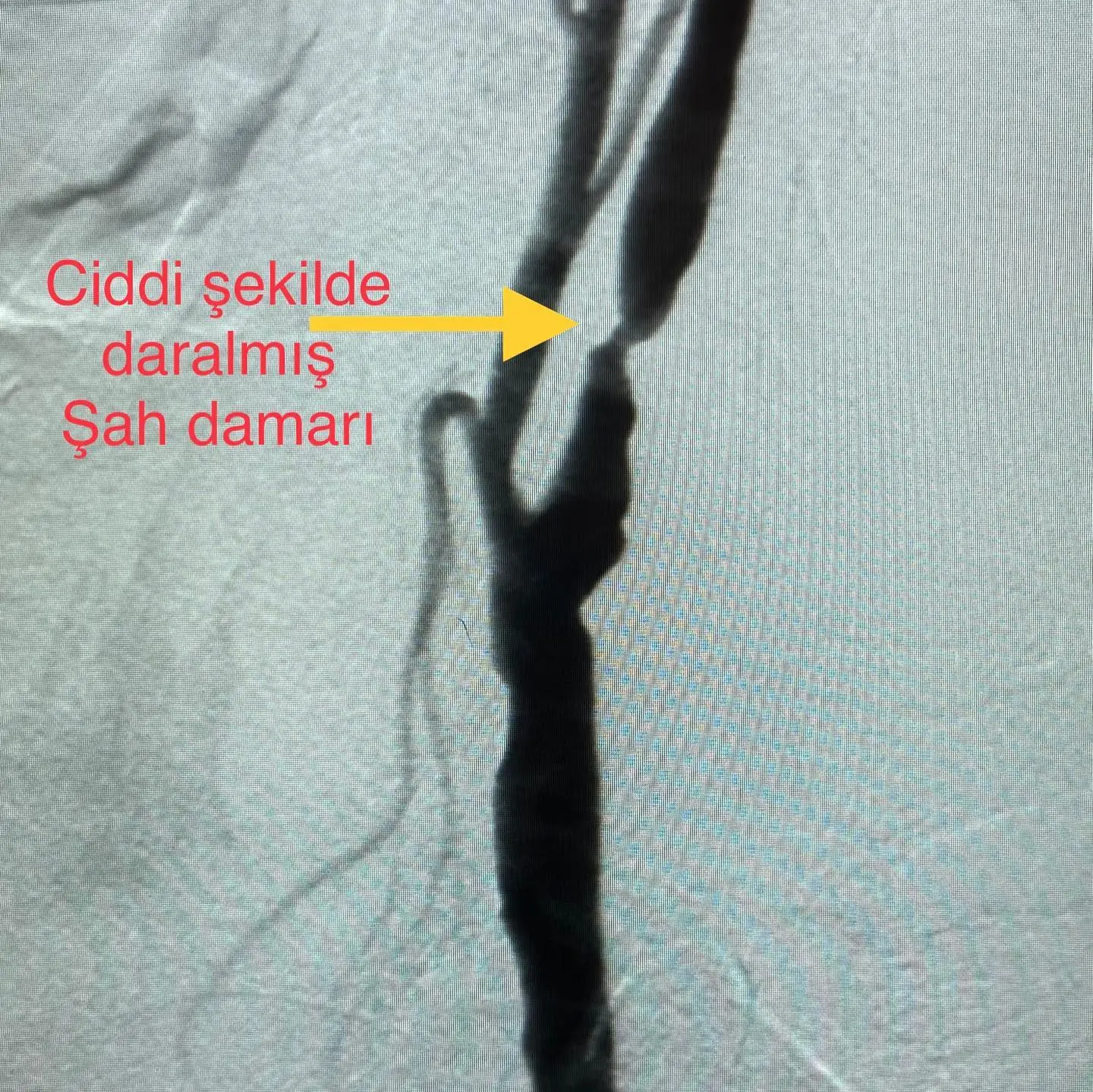
Peripheral artery disease (PAD) is the narrowing or blockage of the arteries that carry clean blood from the heart to the organs, arms, and particularly the legs, typically caused by plaque buildup (atherosclerosis). When blood flow decreases, leg muscles fail to receive enough oxygen. This initially causes cramping and pain in the calves while walking (claudication), which can progress in advanced stages to rest pain and non-healing wounds on the feet (critical limb ischemia).
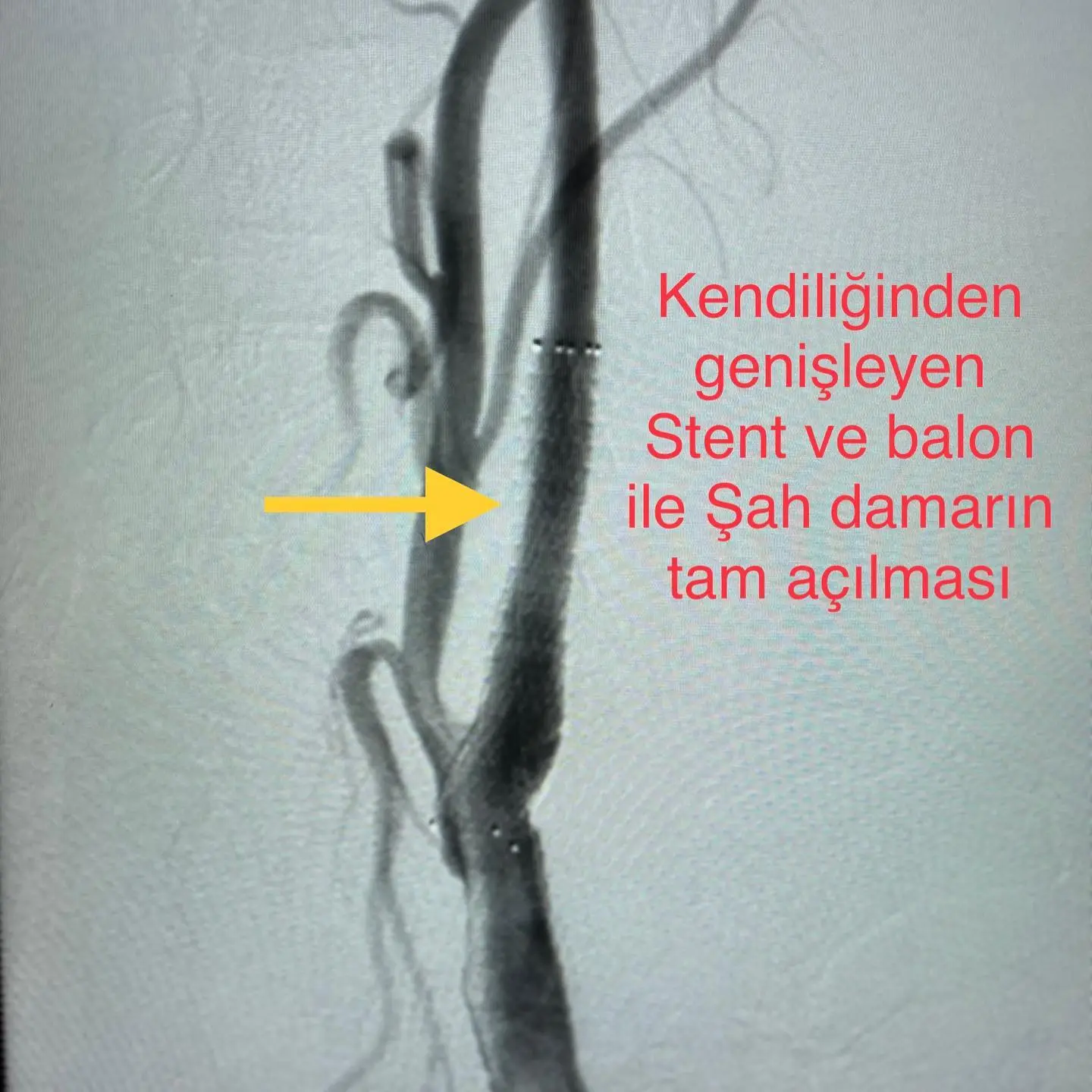
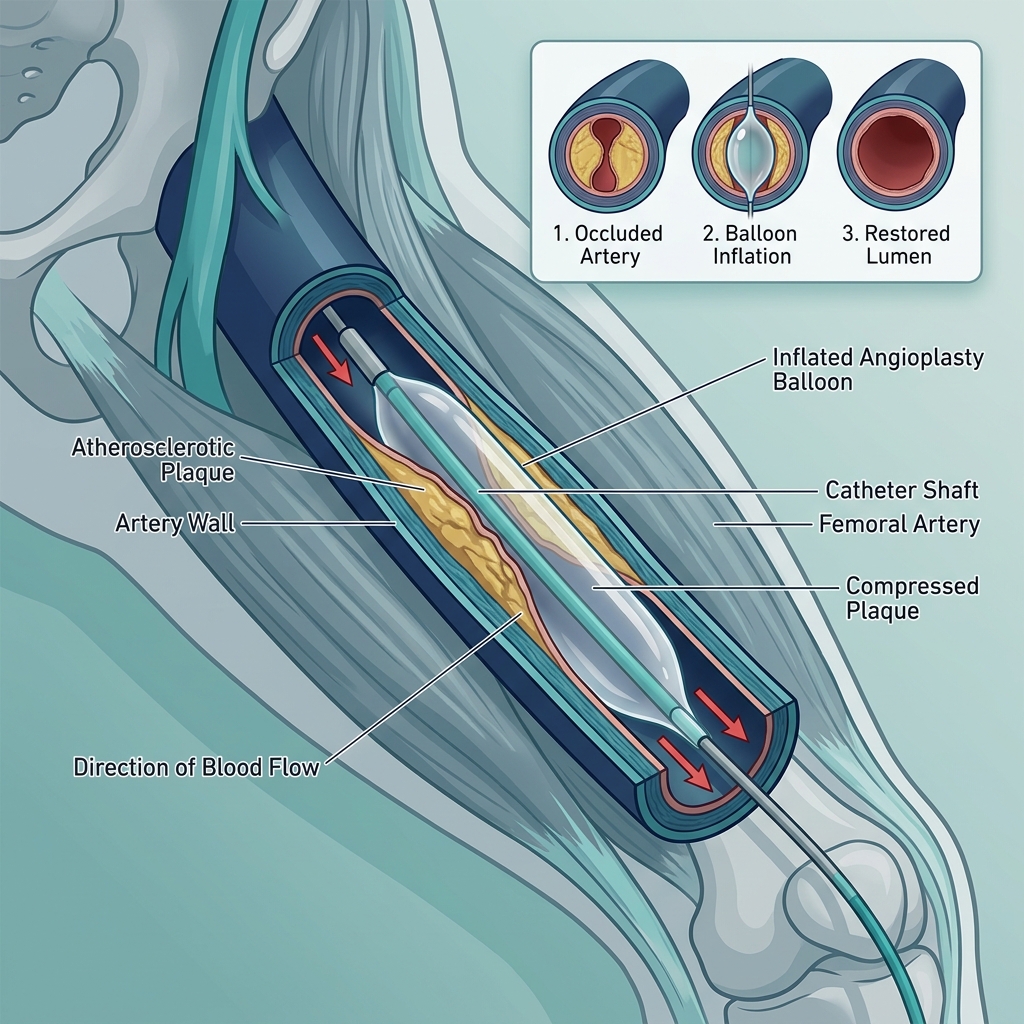
Interventional peripheral treatment reopens these blocked arteries without open surgery. Under local anesthesia in the groin, flexible catheters are guided to the blockage. The vessel is cleared and widened using balloon angioplasty, drug-eluting stents, or specialized atherectomy (plaque shaving) tools. This restores healthy blood flow, resolves walking restrictions, accelerates wound healing, and minimizes the risk of amputation.
Symptoms of Peripheral Artery Disease
- Pain, cramping, and fatigue in the leg muscles (especially calves) triggered by walking or climbing stairs and relieved by rest.
- Persistent foot and toe pain even while resting at night.
- Non-healing ulcers, discoloration (darkening/blackening), or coldness in the toes or feet.
- High-risk patients with diabetes presenting with poor circulation, cold extremities, or diminished foot pulses.
Steps of Peripheral Angioplasty & Clearing
-
01
Step 1
Mapping & Assessment
Initial evaluation includes ankle-brachial index (ABI) measurements and Doppler ultrasound. CT angiography maps the exact location, length, and calcification of blockages.
-
02
Step 2
Local Anesthesia & Access
The femoral artery in the groin is accessed under local anesthesia. Micro guidewires and catheters are navigated to the blocked segment under fluoroscopy.
-
03
Step 3
Atherectomy, Balloon & Stenting
Highly calcified blockages are cleared mechanically using atherectomy (plaque shaving). Next, drug-coated balloons are inflated, and flexible peripheral stents are deployed if needed.
-
04
Step 4
Flow Verification & Recovery
Contrast shots confirm successful restoration of blood flow to the lower limb. Catheters are removed, compression or closure devices are applied, and the patient rests for 4-6 hours.
Benefits of Peripheral Artery Treatment
Academic Depth, Complex Peripheral Interventions
- High volume of complex peripheral interventions and limb-salvage cases at Gazi University.
- Technical proficiency in advanced plaque shaving (atherectomy) for severely calcified occlusions.
- Multidisciplinary wound management focused on saving diabetic limbs with poor distal run-off.
- Transparent decision-making matching patient anatomy, safety margins, and long-term surveillance rules.
FAQ About Peripheral Artery Disease
Leg pain that worsens with walking (claudication) and resolves in 2-5 minutes of standing still is a hallmark symptom of peripheral artery disease. A thorough physical exam and Doppler ultrasound confirm the diagnosis easily.
Untreated blockages will worsen. Walking distance shortens, pain starts occurring at rest, and non-healing wounds (gangrene) can develop. In severe cases, this can lead to limb amputation. Early intervention is vital.
You will rest in bed for 4-6 hours to ensure the access site seals. Afterwards, you can walk. Following discharge, a regular walking regimen is actually recommended to keep the stent open and promote collateral blood vessel growth.
Diabetes accelerates atherosclerosis and often affects smaller vessels down to the toes. Additionally, diabetic neuropathy (numbness) can mask injuries, meaning foot ulcers are often noticed late when they are already infected or gangrenous. Annual vascular checks are crucial for diabetics.