Secure Solution for Reopening Heart Arteries
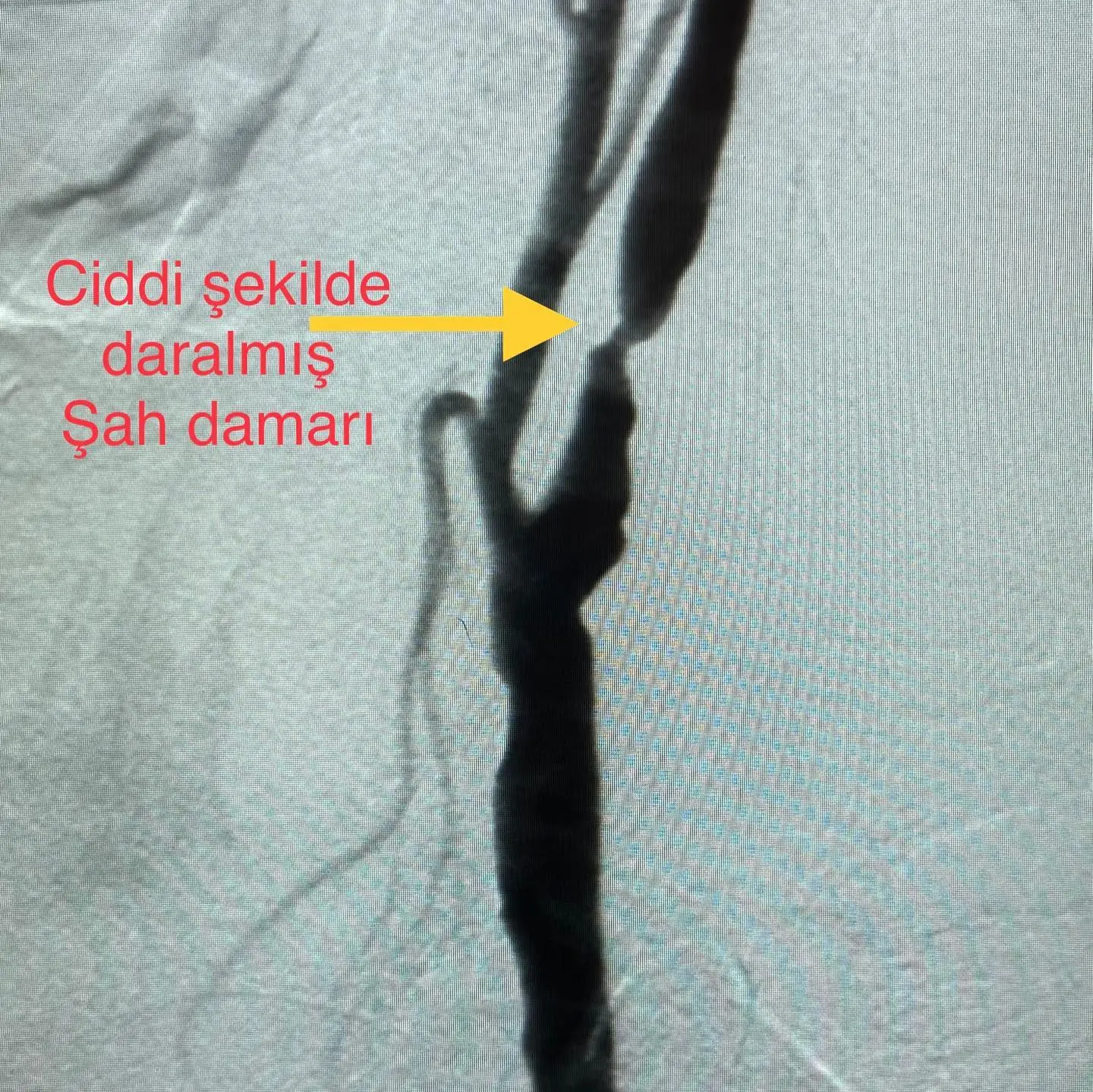
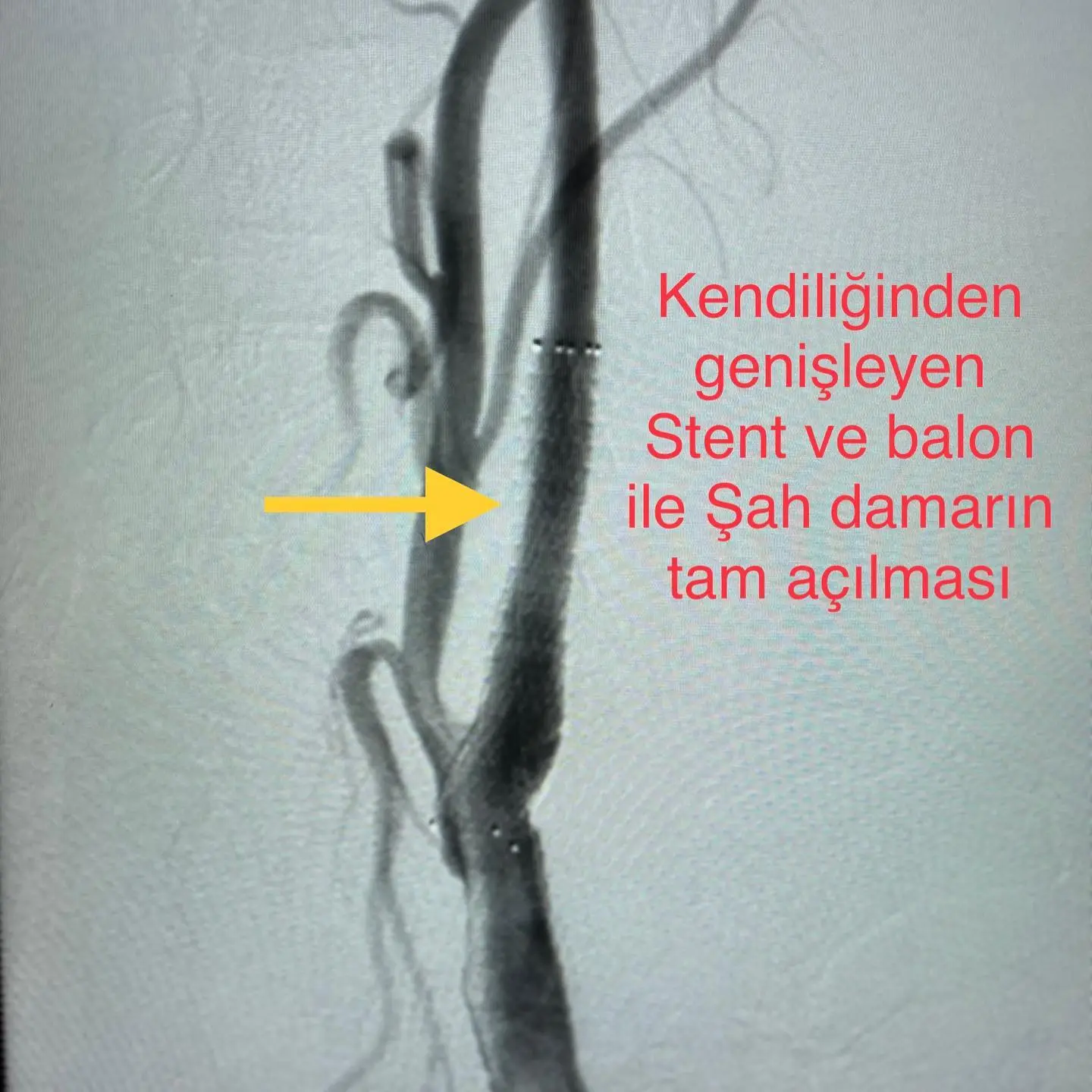
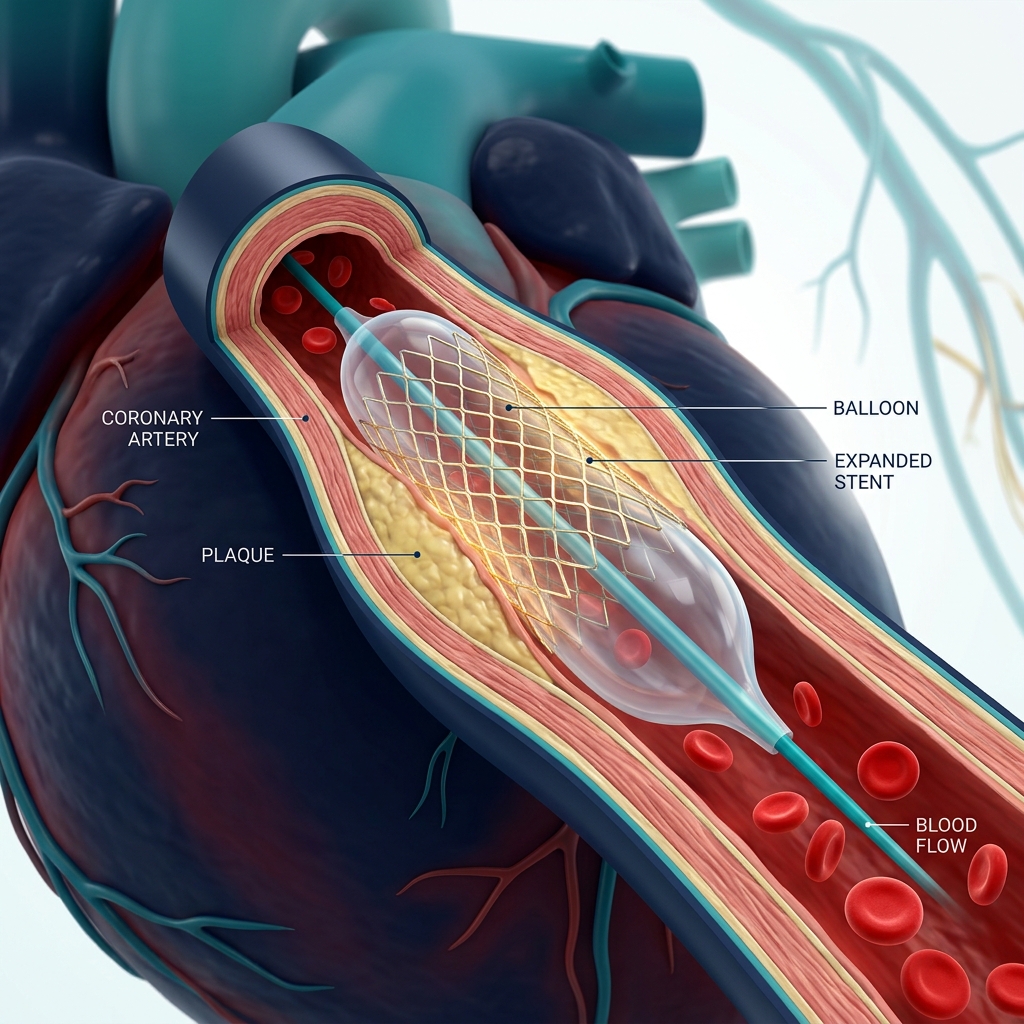
Stent implantation is a treatment method used to permanently keep narrowed heart vessels open. This procedure helps prevent heart attacks and improves your quality of life. A stent is a small metal mesh tube placed inside the narrowed heart artery. It is delivered via catheter and keeps the vessel dilated. Modern drug-eluting stents minimize the risk of re-narrowing.
When is a Stent Needed?
- Critical narrowing detected during angiography
- Chest pain that persists despite medication
- Significant reduction in exercise capacity
- Acute intervention needed following a heart attack
Stent Implantation Steps
-
01
Preparation
Pre-procedure Preparation
Adjustment of blood thinners, application of local anesthesia, and sterilizing the entry site are performed.
-
02
Insertion
Accessing the Vessel
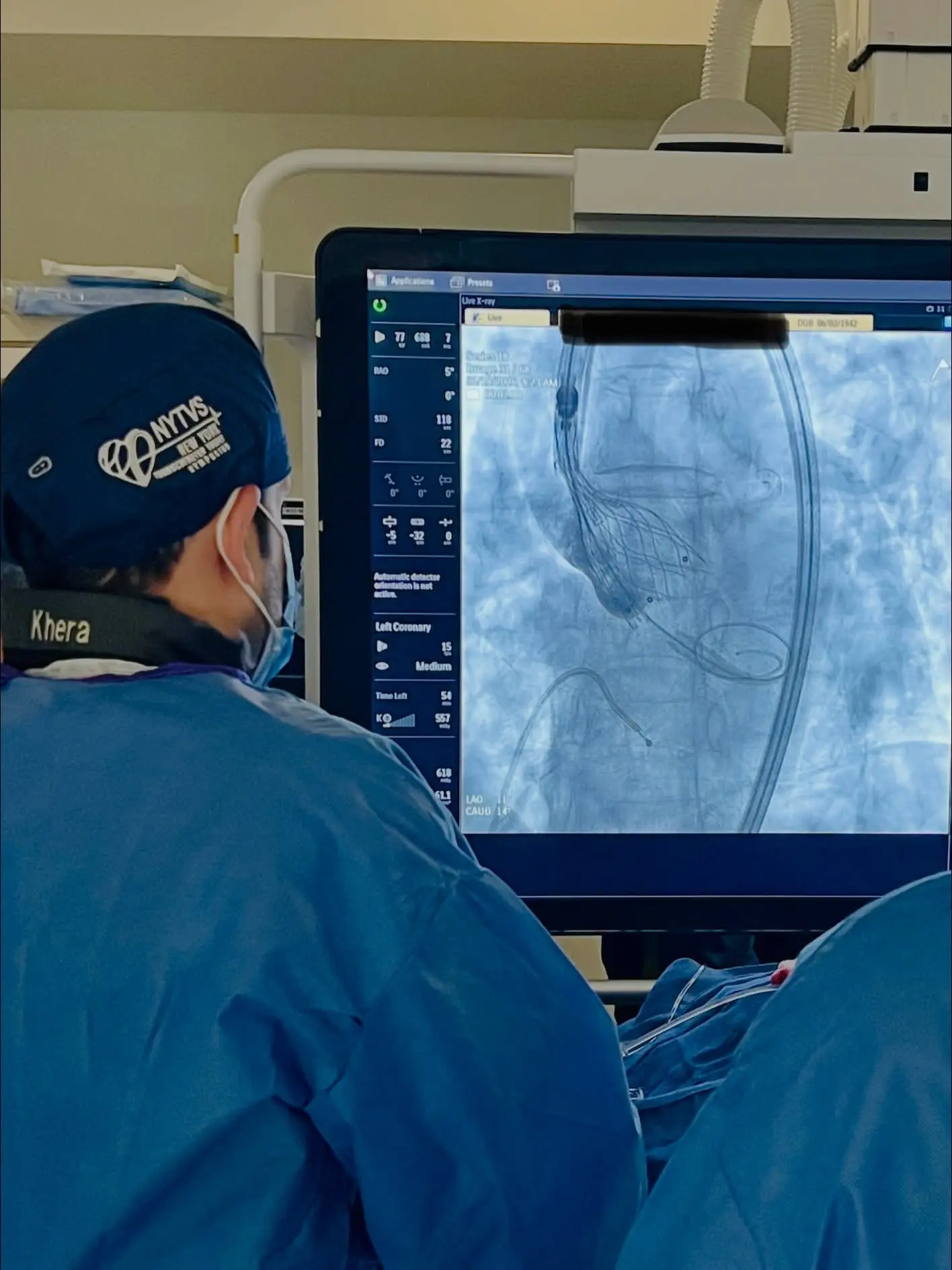
A thin catheter is guided inside the artery to reach the narrowed segment. The vessel is dilated using a balloon, and the stent is deployed.
-
03
Follow-up
Post-procedure Monitoring
The entry site is closed. Following monitoring under cardiac rhythm watch and 4-6 hours of bed rest, the patient is usually discharged the next day.
Wrist Stent Implantation (Radial Approach)
Balloon and stent treatments used to manage coronary artery disease are now extensively performed via the wrist (radial) artery. Thanks to advanced interventional techniques, even highly complex blockages can be successfully treated during wrist angiography.
Superiority of Wrist Stenting Over Groin Approach
Groin-based stenting requires patients to remain flat on their backs, carry a heavy sandbag, and stay immobile for hours. In contrast, wrist-based stenting eliminates the need for sandbags. Hemostasis is achieved easily with a small compression band, allowing the patient to sit up, walk, and eat immediately after the procedure.
Patient Comfort & Benefits
- Comfortable Recovery: Patients with lower back pain, disc herniation, or joint problems experience a pain-free recovery because they are not forced to lie flat.
- Safe Bleeding Control: Bleeding, hematoma (swelling), and vascular ballooning (pseudoaneurysm) at the entry site are significantly reduced compared to the groin approach.
- Ideal for Overweight Patients: Accessing through the wrist artery is much easier and safer for patients with abdominal or groin adiposity.
Post-Procedure Care
After wrist stenting, do not bend or strain the accessed wrist, and avoid lifting heavy objects for the first 24-48 hours. Patients must strictly adhere to their dual antiplatelet therapy (blood thinners) as prescribed, taking them at the exact time to prevent stent thrombosis (clotting).
For More Details: Radial Angiography Patient GuideAdvantages of Stent Implantation
Vessel Patency
The vessel is kept permanently open, minimizing the risk of re-blockage.
Heart Attack Prevention
By opening the critical blockages, the risk of a sudden heart attack is greatly reduced.
Immediate Relief
Chest pain and shortness of breath are resolved, providing immediate relief.
Frequently Asked Questions
You must take dual antiplatelet therapy (DAPT) as prescribed by your physician for at least 12 months to prevent blood clots from forming inside the stent.
You can return to light daily activities 2-3 days after the procedure. Strenuous exercises and heavy lifting should be avoided for about 4 weeks.
Drug-eluting stents are coated with a special medication that prevents cell growth inside the artery wall, minimizing the risk of re-narrowing (restenosis) to less than 5%.