Transcatheter Aortic Valve Implantation
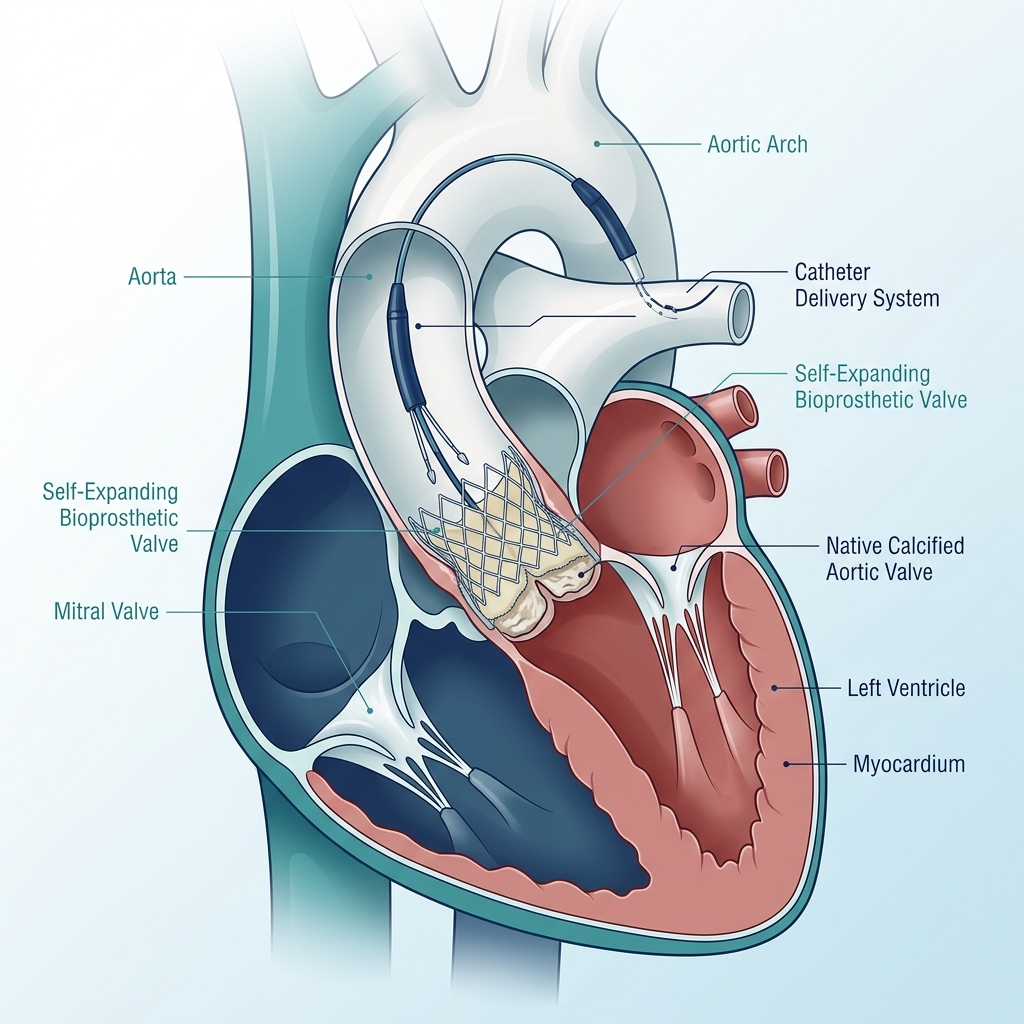
TAVI (Transcatheter Aortic Valve Implantation) is an advanced, minimally invasive cardiac procedure designed to replace a severely narrowed aortic valve (aortic stenosis) or leaky valve without performing open-heart surgery. The new biological valve, crimped onto a catheter, is guided into the heart, most commonly through the femoral artery in the groin, and expanded directly inside the diseased valve.
Because it does not require open-heart access, there is no need to split the breastbone (sternum) or put the patient on a heart-lung bypass machine. This results in significantly shorter hospital stays and a rapid recovery timeline. TAVI is especially beneficial for elderly patients or individuals with co-existing conditions (such as lung disease or renal dysfunction) that make conventional open surgery high-risk.
Ideal Candidates for TAVI
- Patients with severe, symptomatic aortic valve stenosis or aortic regurgitation.
- Elderly patients (usually 75+ years) considered intermediate or high risk for standard surgical valve replacement.
- Patients who have undergone prior heart surgery (such as CABG or surgical kapak) and face significant risks in a re-operation.
- Patients with severe chronic comorbidities, such as COPD, renal failure, diabetes, or pre-existing heart failure.
The Step-by-Step TAVI Process
-
01
Step 1
Evaluation & Planning
The valve structures, calcification, and access arteries are detailed with echocardiography, CT angiography, and coronary angiography to choose the precise valve type and diameter.
-
02
Step 2
Access & Local Anesthesia
The groin access site is localized and numbed. Most patients require only conscious sedation (light sleepiness) rather than general anesthesia, enhancing safety.
-
03
Step 3
Valve Deployment
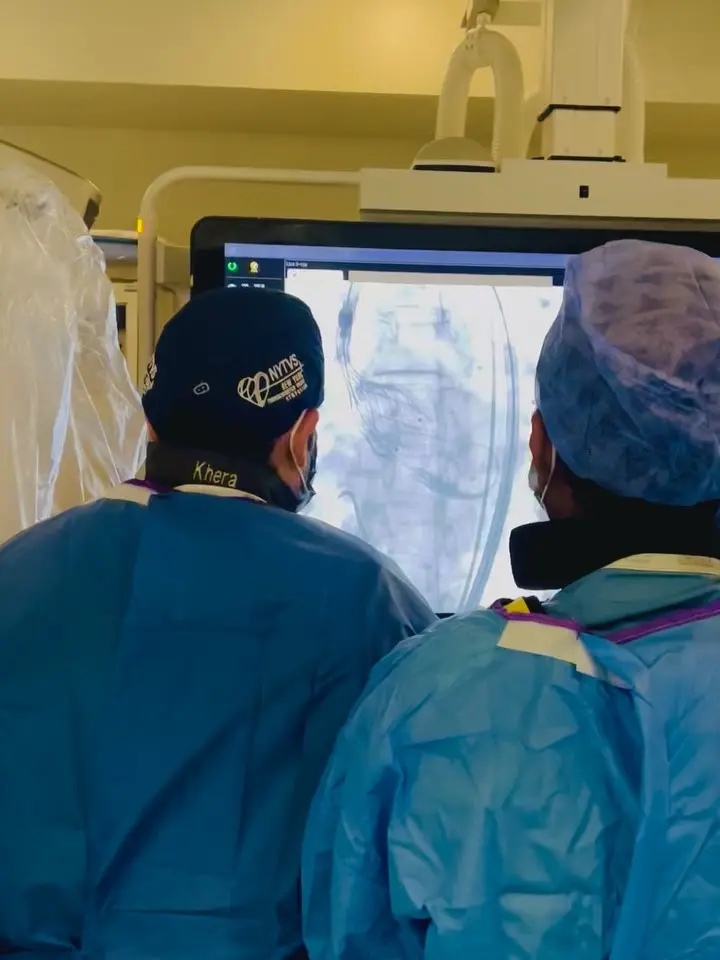
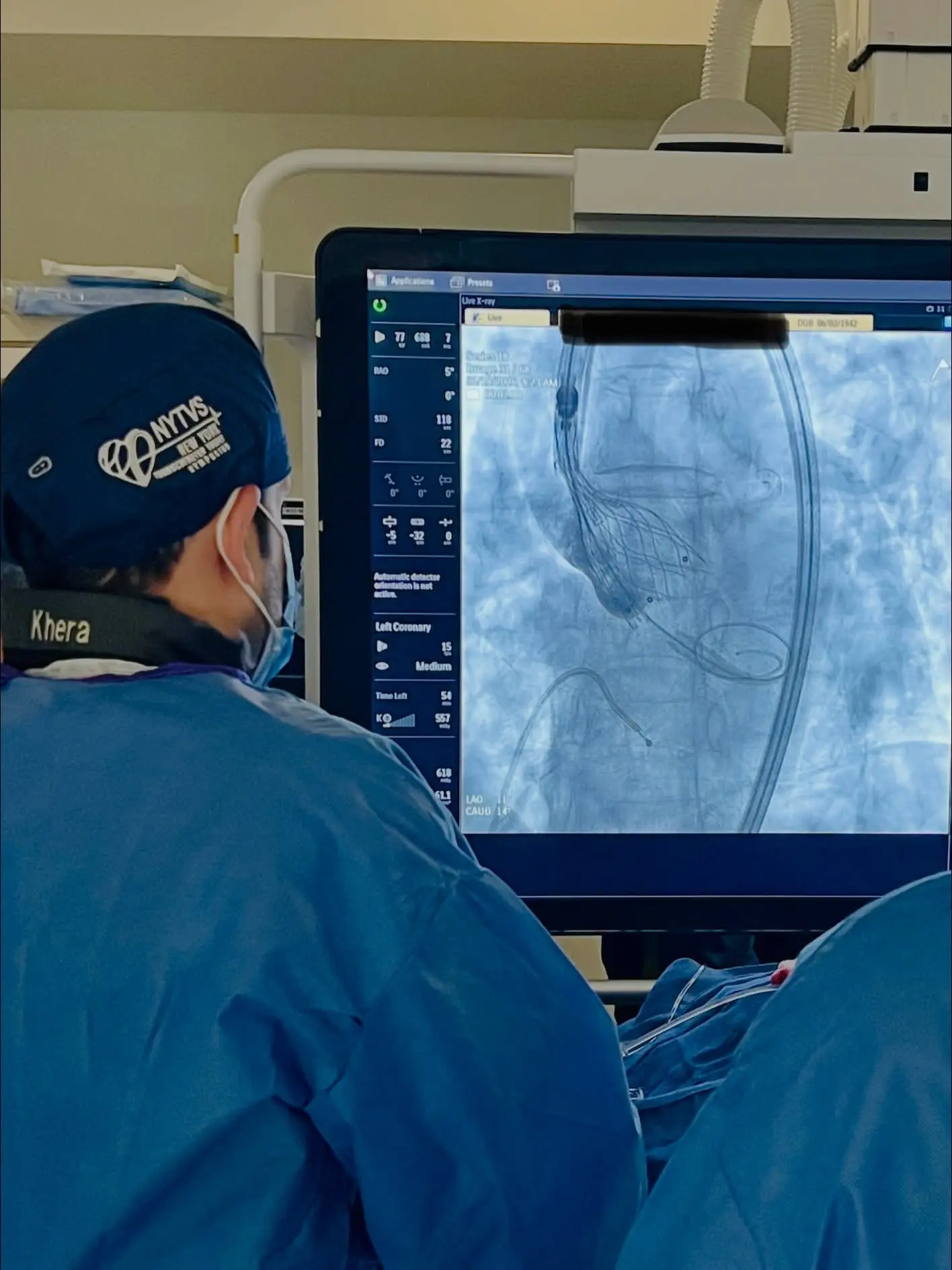
Under fluoroscopic imaging guidance, the folded biological valve is advanced through the catheter to the aortic valve level. The new valve is expanded and anchored inside the old one.
-
04
Step 4
Verification & Recovery
Real-time imaging confirms appropriate valve function and flow. The catheter is removed, the groin entry site is sealed with sutureless closure devices, and the patient is monitored.
Benefits of the TAVI Procedure
Academic Integrity, Proven Experience
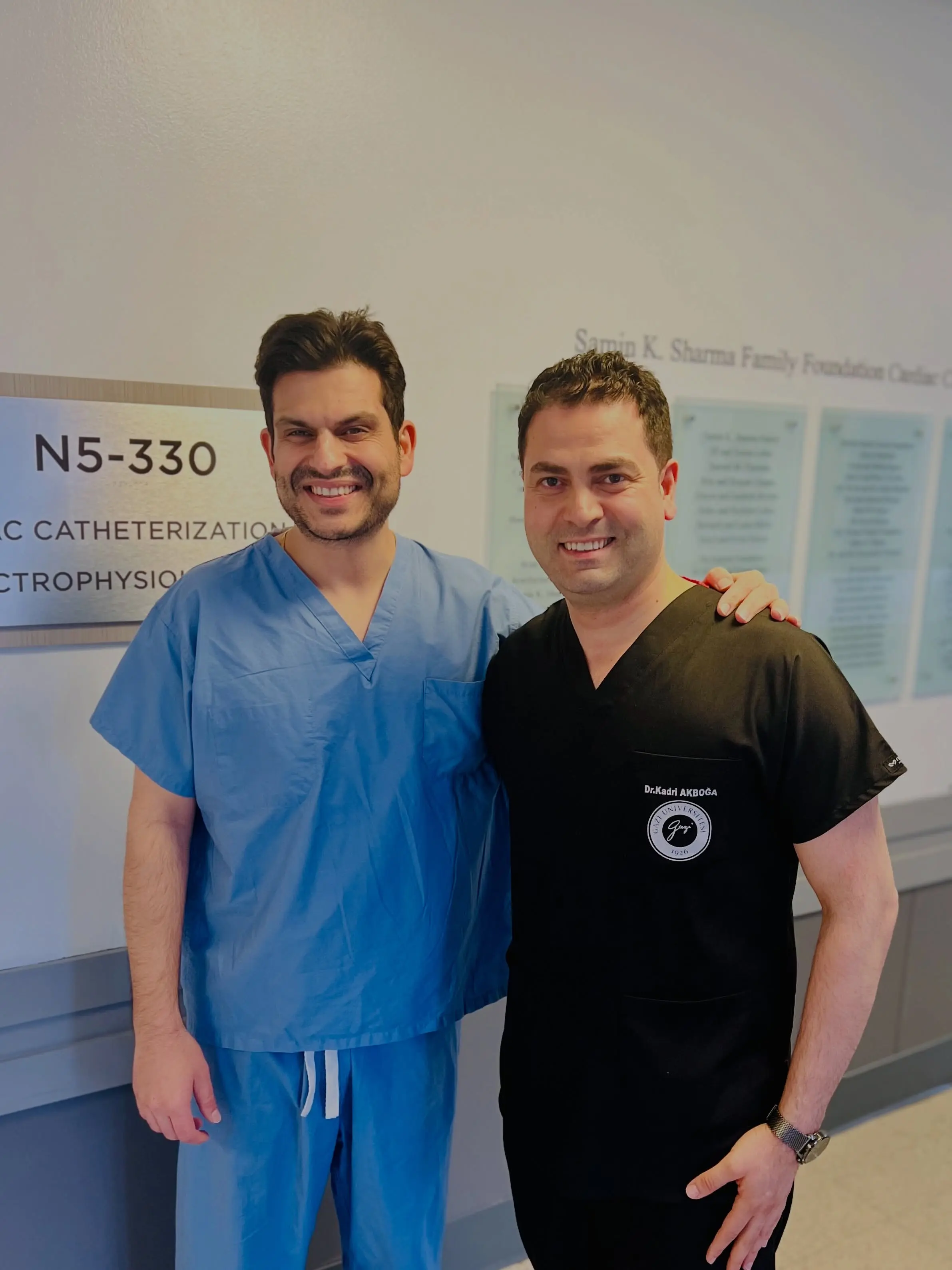
- Academic status and teaching responsibility as a Professor of Cardiology at Gazi University.
- High clinical volume with hundreds of successfully completed TAVI procedures.
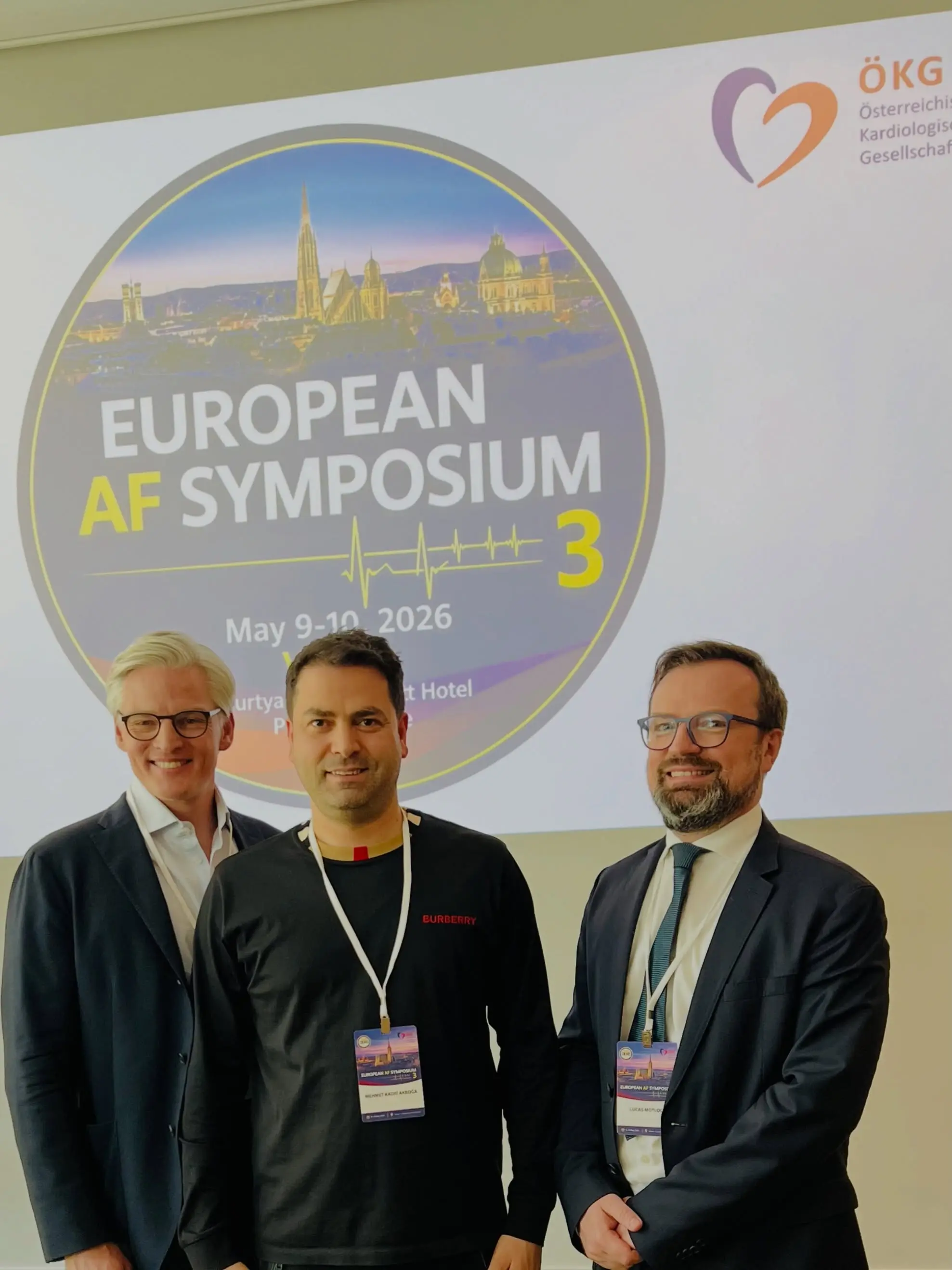
- FESC accreditation and active participation as a live-case operator in global cardiovascular congresses.
- Completely evidence-based, transparent therapeutic planning that prioritizes patient safety.
- Academic Leadership: Recently presented his study "TAVI with ExtraLarge Size Myval Valve in a High Surgical Risk Pure Aortic Regurgitation Patient" at the 40th National Cardiology Congress (Antalya, November 2024).
Common Questions About TAVI
The procedure is typically performed under local anesthesia and conscious sedation (light sleep). You will remain comfortable and pain-free, while your vitals are monitored closely throughout the session.
Modern biological TAVI valves are engineered to perform reliably for many years. Current clinical studies show that the vast majority of TAVI valves remain fully functional beyond 10 years, though regular check-ups are essential.
In experienced hands and with appropriate patient selection, the clinical success rate of TAVI is extremely high, typically exceeding 95%. It has a significantly lower risk profile compared to open-heart surgery for elderly and high-risk cohorts.
Following discharge, taking your prescribed blood thinners regularly is critical to prevent clotting on the new valve. Patients must also receive preventive antibiotics before procedures like dental work to avoid valve infection (endocarditis). Light activities are encouraged, while heavy lifting should be avoided for the first few weeks.